Thursday, May 9, 2013

Goal setting & team building: learn from Dr Stephen Covey


Football is a team sport. This means that success is determined by the optimal combination of physical, tactical and technical skills of each one of the players. To train a team effectively, a coach must transform and adjust individual's characteristics to fit the team’s goals and objectives. He must also effectively communicate the goals to players and staff members and get them engaged. At the end, he needs to develop a strategy to translate these goals into top performance and visible results.

You know, better than anyone else, that there might be players with no commitment to team’s goals. Or they might have different goals to the team's goals. How can you, as a coach, get them involved and contribute to the common goal? Goal setting and team building are not easy tasks!
Dr. Stephen Covey, one of 25 most influential American’s and an internationally respected leader has done excellent work on goal setting and team building. Below you can see the link for a video prepared by Dr Covey which I think also applies to football. Hope it helps you and gives you some ideas for your every day work in the field. 

Enjoy it! 

Thursday, April 18, 2013

How can sports science assist high level players: some recent examples

source: uefa.com

Monitoring fitness, fatigue and running performance during a pre-season training camp in elite football players.
J Sci Med Sport 2013 Jan 16 [Epub ahead of print]


ASPIRE, Academy for Sports Excellence, Doha, Qatar

ASPETAR, Qatar Orthopaedic & Sports Medicine Hospital, Doha, Qatar

Carton FC, Australia

Aim: To examine the usefulness of selected physiological and perceptual measures to monitor fitness, fatigue and running performance during a pre-season, 2-week training camp in eighteen professional Australian Rules Football players. Methods: Training load, perceived ratings of wellness (e.g. fatigue, sleep quality) and salivary cortisol were collected daily. Submaximal exercise heart rate (HRex) and a vagal-related heart rate variability index (LnSD1) were also collected at the start of each training session. Yo-Yo Intermittent Recovery level 2 test (Yo-YoIR2, assessed pre-, mid- and post-camp, temperate conditions) and high-speed running distance during standardized drills (HSR, >14.4kmh(-1), 4 times throughout, outdoor) were used as performance measures. Results: There were significant (P<0.001 for all) day-to-day variations in training load, wellness measures (6-18%), HRex (3.3%), LnSD1 (19.0%), but not cortisol (20.0%, P=0.60). While the overall wellness did not change substantially throughout the camp, HRex decreased and cortisol, Yo-YoIR2 performance and HSR increased. Day-to-day ΔHRex, ΔLnSD1 and all wellness measures were related to Δtraining load. There was however no clear relationship between Δcortisol and Δtraining load. ΔYo-YoIR2 was correlated with ΔHRex (r=0.88 (0.84; 0.92)), ΔLnSD1 (r=0.78 (0.67; 0.89)), Δwellness (r=0.58 (0.41; 0.75), but not Δcortisol. ΔHSR was correlated with ΔHRex (r=-0.27 (-0.48; -0.06)) and Δwellness (r=0.65 (0.49; 0.81)), but neither with ΔLnSD1 nor Δcortisol.

Conclusions
Training load, HRex and wellness measures are the best simple measures for monitoring training responses to an intensified training camp; cortisol post-exercise and LnSD1 did not show practical efficacy.


Poppendieck W, Faude O, Wegmann M, Meyer T. Cooling and Performance Recovery of Trained Athletes - a Meta-Analytical Review. Int J Sports Physiol Perform 8: 227-242, 2013
Saarland University, Institute of Sports and Preventive Medicine, Germany
Fraunhofer Institute for Biomedical Engineering, Germany

Aim: Cooling after exercise has been investigated as a method to improve recovery during intensive training or competition periods. As many existing studies include untrained subjects, the transfer of those results to trained athletes is questionable. Methods: Therefore, we conducted a literature search and located 21 peer-reviewed randomized controlled trials addressing the effects of cooling on performance recovery in trained athletes. For all studies, the effect of cooling on performance was determined and effect sizes (Hedges' g) were calculated. Results: Regarding performance measurement, the largest average effect size was found for sprint performance (2.6%, g=0.69), while for endurance parameters (2.6%, g=0.19), jump (3.0%, g=0.15) and strength (1.8%, g=0.10), effect sizes were smaller. The effects were most pronounced when performance was evaluated 96 h after exercise (4.3%, g=1.03). Regarding the exercise used to induce fatigue, effects after endurance training (2.4%, g=0.35) were larger than after strength-based exercise (2.4%, g=0.11). Cold water immersion (2.9%, g=0.34) and cryogenic chambers (3.8%, g=0.25) seem to be more beneficial with respect to performance than cooling packs (-1.4%, g= -0.07). For cold water application, whole-body immersion (5.1%, g=0.62) was significantly more effective than immersing only the legs or arms (1.1%, g=0.10).

Conclusions
The average effects of cooling on recovery of trained athletes were rather small (2.4%, g=0.28). However, under appropriate conditions (whole-body cooling, recovery of sprint exercise), post-exercise cooling seems to have positive effects which are large enough to be relevant for competitive athletes.


Elias GP, Wyckelsma VL, Varley MC, McKenna MJ, Aughey RJ. Effectiveness of Water Immersion on Post-Match Recovery in Elite Professional Footballers. Int J Sports Physiol Perform 8: 243-253, 2013
Institute of Sport, Exercise and Active Living, School of Sport and Exercise Science, Victoria University, Australia
Aim: The efficacy of a single exposure to 14-min of contrast water therapy (CWT) or cold water immersion (COLD) on recovery post-match in elite professional footballers was investigated. Methods: Twenty four elite footballers participated in a match followed by one of 3 recovery interventions. Recovery was monitored for 48-hrs post-match. Repeat-sprint ability (6 x 20-m), static and countermovement jump performance, perceived soreness and fatigue were measured pre, immediately following, 24 and 48 h after the match. Soreness and fatigue were also measured 1 h post-match. Post-match, players were randomly assigned to complete passive recovery (PAS) (n=8), COLD (n=8) or CWT (n=8). Results: Immediately post-match, all groups exhibited similar psychometric and performance decrements, which persisted for 48 h only in the PAS group. Repeat-sprinting performance remained slower at 24 and 48 h for PAS (3.9% and 2.0%) and CWT (1.6% and 0.9%) but was restored by COLD (0.2% and 0.0%). Soreness after 48 h was most effectively attenuated by COLD (ES 0.59±0.10) but remained elevated for CWT (ES 2.39±0.29) and PAS (ES 4.01±0.97). Similarly, COLD more successfully reduced fatigue after 48 h (ES 1.02±0.72) compared to CWT (ES 1.22±0.38) and PAS (ES 1.91±0.67). Declines in static and countermovement jump were ameliorated best by COLD.
Conclusions
An elite professional football match results in prolonged physical and psychometric deficits for 48 h. Cold water immersion was more successful at restoring physical performance and psychometric measures than contrast water therapy, with complete passive recovery being the poorest.


Tonnessen E, Hem E, Leirstein S, Haugen T, Seiler S. Maximal aerobic power characteristics of male professional soccer players, 1989-2012. Int J Sports Physiol Perform 8: 323-329, 2013

Aim:The purpose of this investigation was to quantify maximal aerobic power (VO2max) in soccer as a function of performance level, position, age, and time of season. In addition, the authors examined the evolution of VO2max among professional players over a 23-y period. Methods: 1545 male soccer players were tested for VO2max at the Norwegian Olympic Training Center between 1989 and 2012. Results: No differences in VO2max were observed among national-team players, 1st- and 2nd-division players, and juniors. Midfielders had higher VO2max than defenders, forwards, and goalkeepers (P < .05). Players <18 y of age had ~3% higher VO2max than 23- to 26-y-old players (P = .016). The players had 1.6% and 2.1% lower VO2max during off-season than preseason (P = .046) and in season (P = .021), respectively. Relative to body mass, VO2max among the professional players in this study has not improved over time. Professional players tested during 2006–2012 actually had 3.2% lower VO2max than those tested from 2000 to 2006 (P = .001).

Conclusions
This study provides effect-magnitude estimates for the influence of performance level, player position, age, and season time on VO2max in men’s elite soccer. The findings from a robust data set indicate that VO2max values ~62–64 mL · kg–1 · min–1 fulfill the demands for aerobic capacity in men’s professional soccer and that VO2max is not a clearly distinguishing variable separating players of different standards.


Ingebrigtsen J, Shalfawi SA, Tønnessen E, Krustrup P, Holtermann A. Performance effects of 6 weeks of anaerobic production training in junior elite soccer players. J Strength Cond Res 2013 April 1 [Epub ahead of print]

Department of Sport and Centre for Practical Knowledge, University of Nordland, Bodø, Norway
Aim: This study investigates the performance effects of a six week biweekly anaerobic speed endurance production training among junior elite soccer players. Methods: Sixteen junior (age 16.9 ±0.6 years) elite soccer players were tested in Yo-Yo Intermittent Recovery test level 2 (IR2), 10 m and 35 m sprints, 7x35 m Repeated Sprint Ability (RSA) tests, Counter Movement Jump (CMJ) and Squat Jump (SJ) tests, and randomly assigned into either a control group performing their normal training schedule, which included four weekly soccer training sessions of 90 min, or a training group performing anaerobic speed endurance production training twice weekly for six weeks in addition to their normal weekly schedule . Results: We found that the intervention group significantly improved (p<0.05) their performance in the Yo-Yo IR2 (63± 74 m) and 10 m sprint time (-0.06± 0.06 s). No significant performance changes were found in the control group. Between-group pre- to post-test differences were found for 10 m sprint times (p<0.05). No significant changes were observed in 35 m sprint times, RSA, or jump performances.

Conclusions
The present results indicate that short-term anaerobic production training is effective for improving acceleration and intermittent exercise performance among well-trained junior elite players.


Keiner Keiner M, Sander A, Wirth K, Schmidtbleicher D. Long term strength training effects on change-of-direction sprint performance. J Strength Cond Res 2013 April 12 [Epub ahead of print]
Institute of Sport Science, Johann Wolfgang Goethe-University, Germany
German Luge and Bobsled Federation, Germany

Aim: The requirement profiles of sports such as soccer, football, tennis and rugby demonstrate the importance of strength and speed-strength abilities, in addition to other conditional characteristics. During a game, these athletes complete a large number of strength and speed-strength actions. In addition to the linear sprint, athletes perform sprints while changing direction (COD). Therefore, this study aims to clarify the extent to which there is a strength-training intervention effect on COD. Further, this investigation analyzes possible correlations between the One Repetition Maximum / Body Mass (SREL) in the front and back squat and COD. Methods: The subjects (n = 112) were at pretest between 13 and 18 years old and were divided into two groups with four subgroups (A = under 19-years-old, B = under 17-years-old, C = under 15-years-old). For approximately 2 years, one group (CG) only participated in routine soccer training, and the other group (STG) participated in an additional strength-training program with the routine soccer training. Additionally, the performances in COD of 34 professional soccer player of the 1st and 2nd division in Germany were measured as a standard of high-level COD. For the analysis of the performance development within a group and pairwise comparisons between two groups, an analysis of variance with repeated measures was calculated with the factors group and time. Relationships between COD and SREL were calculated for the normal distributed data using a plurality of bivariate correlations by Pearson. Our data show that additional strength training over a period of 2 years significantly affects the performance in COD. The STG in all subcohorts reached significantly (p < 0.05) faster times in COD than CG. The STG amounted up to 5% to nearly 10% better improvements in the 10 meter sprint times compared to the CG. Furthermore, our data show significant (p < 0.05) moderate to high correlations (r = -0.388 to -0.697) between SREL and COD.

Conclusion
Data show that long-term strength training improves the performance of the COD.


Abstracts modified from pubmed

Monday, April 8, 2013

Does sleep affect performance?

http://www.bdlive.co.za/life/health/2012/11/29/neuroscience-turn-down-the-light-to-brighten-up-your-mood

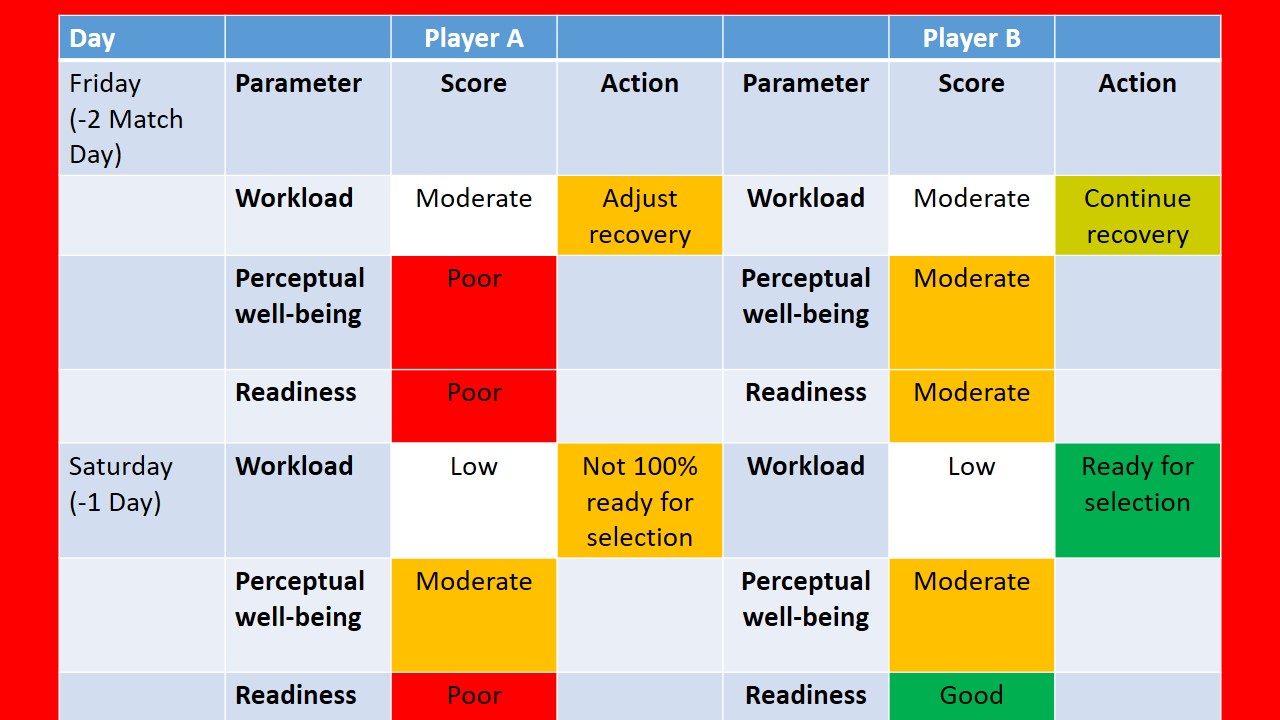
This is a straight forward question you might hear from your players. How can you screen athletes for sleep quality? What should I do if I identify player(s) with sleep problems?
Recently, I had the opportunity to listen to an excellent talk by Dr Charles Samuels, Medical Director-Centre for Sleep & Human Performance-Calgary, who is a leading scientist and practitioner in the field. As Dr Samuels concluded, he is not yet “fully convinced” about the role of sleep in sports performance. More research is needed to understand the relationship between sleep quantity and quality and human performance.

Here I am posting the link of a similar presentation by Dr Samuels so you can learn more

During this Powerpoint presentation you will learn about:
  • The key sleep factors and their association with recovery & regeneration
  • The implementation of sleep education within the Long-term Athlete (Player) Development Model
  • How to implement an educational program, monitor and evaluate sleep behavior and decide strategies when sleep problems are identified in a player

Friday, March 29, 2013

Recent studies with practical applications to elite football


Testing visual elements at Panathinaikos FC Performance Lab (March 2008)

 
Soichi (2013). Peripheral visual perception during exercise: why we cannot see. Exercise & Sport Sciences Reviews 41(2): 87-92

Faculty of Sports and Health Science, Fukuoka University,  Japan

Peripheral visual perception may be relevant to performance in sports. Peripheral visual perception seems to be impaired during strenuous exercise. The hypothesis proposed is that a decrease in cerebral oxygenation is associated with impairment in peripheral visual perception during strenuous exercise. Recent behavioral and physiological data are presented to support the hypothesis.

Free access
http://journals.lww.com/acsm-essr/Fulltext/2013/04000/Peripheral_Visual_Perception_During_Exercise___Why.4.aspx


Lehr et al (2013). Field-expedient screening and injury risk algorithm categories as predictors of noncontact lower extremity injury. Scand J Med Sci Sports March 20, [Epub ahead of print]

Department of Physical Therapy, Lebanon Valley College, Pennsylvania, USA.

In athletics, efficient screening tools are sought to curb the rising number of noncontact injuries and associated health care costs. The authors hypothesized that an injury prediction algorithm that incorporates movement screening performance, demographic information, and injury history can accurately categorize risk of noncontact lower extremity (LE) injury. One hundred eighty-three collegiate athletes were screened during the preseason. The test scores and demographic information were entered into an injury prediction algorithm that weighted the evidence-based risk factors. Athletes were then prospectively followed for noncontact LE injury. Subsequent analysis collapsed the groupings into two risk categories: Low (normal and slight) and High (moderate and substantial). Using these groups and noncontact LE injuries, relative risk (RR), sensitivity, specificity, and likelihood ratios were calculated. Forty-two subjects sustained a noncontact LE injury over the course of the study. Athletes identified as High Risk (n = 63) were at a greater risk of noncontact LE injury (27/63) during the season [RR: 3.4 95% confidence interval 2.0 to 6.0].

Conclusion
These results suggest that an injury prediction algorithm composed of performance on efficient, low-cost, field-ready tests can help identify individuals at elevated risk of noncontact LE injury.


Meister et al. (2013). Indicators for high physical strain and overload in elite football players. Scand J Med Sci Sports March 20, [Epub ahead of print]

Institute of Sports and Preventive Medicine (FIFA, Medical Centre of Excellence), Saarland University, Saarbrücken, Germany Institute of Sports Medicine, University Paderborn, Paderborn, GermanyUniversity of Basel, Institute of Exercise and Health Sciences, Basel, Switzerland.


Laboratory, psychological and performance parameters as possible indicators of physical strain and overload during highly demanding competition phases were evaluated in elite male football players. In two studies with the same objective, periods of high (HE: >270 min during 3 weeks before testing) and low (LE: <270 min) match exposure were compared over the course of an entire season. In study 1 (n=88 players of the first and second German leagues; age: 25.6±4.3 years; body mass index (BMI): 23.2±1.0 kg/m(2) ), blood count, CK, urea, uric acid, CRP and ferritin were determined. In study 2, 19 players of the third German league and the highest under-19 league (age: 19.7±2.8 years; BMI: 22.8±1.7 kg/m(2) ) were screened for individual vertical jump height, maximal velocity and by the Recovery-Stress-Questionnaire for Athletes (REST-Q Sport). The mean differences in exposure times were 180 min (study 1: quartiles: 105, 270 min) and 247 min (study 2: 180, 347 min), respectively. Significant differences were found neither in blood parameters (study 1; P>0.36) nor in physiological testing results or in REST-Q scores (study 2; P>0.20).

Conclusion
A 3-week period of high match exposure in elite football players does not affect laboratory, psychometric and performance parameters.


Casals and Martinez (2013). Modelling player performance in basketball through mixed models. Int J Perfom Anal Sport, 13(1): 64-82

University of Wales, Cardiff

The aims of this study were to identify variables which may potentially influence player performance, and to implement a statistical model to study their relative contribution in order to explain two outcomes: points and win score. We used all the possible variables affecting player performance creating a comprehensive database from two sources of statistical information about the NBA 2007 regular season: www.basketball-reference.com and www.nbastuffer.com. The data employed for the analysis were composed of 2187 cases (27 players * 81 games), having followed a filtering process. We dealt with a balanced study design with repeated measurements given that each player was observed the same number of games, and therefore the player was considered as a random effect. We carried out mixed models to quantify the variability in points and win score among players. Minutes played, the usage percentage and the difference of quality between teams were the main factors for variations in points made and win score. The interaction between player position and age was important in win score.

Conclusions
We encourage managers and coaches of sports teams to choose appropriate methods according to their aims. Future research should take into consideration the use of models with random effects on players' characteristics.


Fradua et al (2013). Designing small-sided games for training tactical aspects in soccer: extrapolating pitch sizes from full-size professional matches. J Sport Sci 31(6): 573-581.

University of Granada, Physical Education and Sport , Granada , Spain.

The aims of this study were to examine the 1) individual playing area, 2) length and width of the rectangle encompassing the individual playing area and 3) distance between the goalkeepers and their nearest team-mates during professional soccer matches and compare these to previously reported pitch sizes for small-sided games (SSGs). Data were collected from four Spanish La Liga matches of the 2002-03 season, and notated post-event using the Amisco® system. The pitch sizes obtained from real matches were smaller and different from those used previously for SSGs. In addition, the current pitch sizes show significant (P < 0.001) effect of ball location in all variables examined. For example, overall individual playing area (F [5, 2562] = 19.99, P < 0.001, η(2 )= 0.04) varied significantly across six different zones of the pitch. Based on these empirical results, pitch sizes with individual playing areas ranging from 65 m(2) to 110 m(2) and length to width ratio of 1:1 and 1:1.3 are generally recommended for training tactical aspects according to different phases of play.

Conclusion
It is possible to design SSGs with a more valid representation of the tactical conditions experienced in full-size matches and their use may improve the training effect of tactical aspects of match performance in soccer.


Eynon et al. (2013). ACTN3 R577X polymorphism and team-sport performance: a study involving three European cohorts. J Sci Med Sport March 20 [Epub ahead of print]

School of Sport and Exercise Sciences, Victoria University, Australia; Institute of Sport, Exercise and Active Living (ISEAL), Victoria University, Australia.


We compared the genotype and allele frequencies of the ACTN3 R577X (rs1815739) polymorphisms between team-sport athletes (n=205), endurance athletes (n=305), sprint/power athletes (n=378), and non-athletic controls (n=568) from Poland, Russia and Spain; all participants were unrelated European men. Genomic DNA was extracted from either buccal epithelium or peripheral blood using a standard protocol. Genotyping was performed using several methods, and the results were replicated following recent recommendations for genotype-phenotype association studies. Genotype distributions of all control and athletic groups met Hardy-Weinberg equilibrium (all p>0.05). Team-sport athletes were less likely to have the 577RR genotype compared to the 577XX genotype than sprint/power athletes [odds ratio: 0.58, 95% confidence interval: 0.34-0.39, p=0.045]. However, the ACTN3 R577X polymorphism was not associated with team-sports athletic status, compared to endurance athletes and non-athletic controls. Furthermore, no association was observed for any of the genotypes with respect to the level of competition (elite vs. national level).

Conclusion
The ACTN3 R577X polymorphism was not associated with team-sport athletic status, compared to endurance athletes and non-athletic controls, and the observation that the 577RR genotype is overrepresented in power/sprint athletes compared with team-sport athletes needs to be confirmed in future studies.


Sparks and Close (2013). Validity of a portable urine refractometer: the effects of sample freezing. J Sports Sci 31(7): 745-749.

Department of Sport and Physical Activity , Edge Hill University, UK.

The use of portable urine osmometers is widespread, but no studies have assessed the validity of this measurement technique. Furthermore, it is unclear what effect freezing has on osmolality. One-hundred participants of mean (±SD) age 25.1 ± 7.6 years, height 1.77 ± 0.1 m and weight 77.1 ± 10.8 kg provided single urine samples that were analysed using freeze point depression (FPD) and refractometry (RI). Samples were then frozen at -80°C (n = 81) and thawed prior to re-analysis. Differences between methods and freezing were determined using Wilcoxon's signed rank test. Relationships between measurements were assessed using intraclass correlation coefficients (ICC) and typical error of estimate (TE). Osmolality was lower (P = 0.001) using RI (634.2 ± 339.8 mOsm · kgH2O(-1)) compared with FPD (656.7 ± 334.1 mOsm · kgH2O(-1)) but the TE was trivial (0.17). Freezing significantly reduced mean osmolality using FPD (656.7 ± 341.1 to 606.5 ± 333.4 mOsm · kgH2O(-1); P < 0.001), but samples were still highly related following freezing (ICC, r = 0.979, P < 0.001, CI = 0.993-0.997; TE = 0.15; and r=0.995, P < 0.001, CI = 0.967-0.986; TE = 0.07 for RI and FPD respectively). Despite mean differences between methods and as a result of freezing, such differences are physiologically trivial.

Conclusion
The use of RI appears to be a valid measurement tool to determine urine osmolality.


Source: Pubmed

Friday, March 8, 2013

Applied Physiology: what's new?


uefa.com

 
Girard et al (2013). Hot conditions improve power output during repeated cycling sprints without modifying neuromuscular fatigue characteristics. Eur J Appl Physiol 113(2): 359-369
 
ASPETAR, Qatar Orthopaedic and Sports Medicine Hospital, Doha, Qatar.
 
This study investigated the effect of hot conditions on repeated sprint cycling performance and post-exercise alterations in isometric knee extension function. Twelve physically active participants performed 10 × 6-s "all-out" sprints on a cycle ergometer (recovery = 30 s), followed 6 min later by 5 × 6-s sprints (recovery = 30 s) in either a neutral (24 °C/30 %rH) or a hot (35 °C/40 %rH) environment. Neuromuscular tests including voluntary and electrically evoked isometric contractions of the knee extensors were performed before and after exercise. Average core temperature during exercise was higher (38.0 ± 0.1 vs. 37.7 ± 0.1 °C, respectively; P < 0.05) in hot versus neutral environments. Peak power output decreased (-17.9 % from sprint 1 to sprint 10 and -17.0 % from sprint 11 to sprint 15; P < 0.001) across repetitions. Average peak power output during the first ten sprints was higher (+3.1 %; P < 0.01) in the hot ambient temperature condition. Maximal strength (-12 %) and rate of force development (-15 to -26 %, 30-200 ms from the onset of contraction) decreased (P < 0.001) during brief contractions after exercise, irrespectively of the ambient temperature. During brief maximal contractions, changes in voluntary activation (~80 %) were not affected by exercise or temperature. Voluntary activation declined (P < 0.01) during the sustained contraction, with these reductions being more pronounced (P < 0.05) after exercise but not affected by the ambient temperature. Resting twitch amplitude declined (P < 0.001) by ~42 %, independently of the ambient temperature.

Conclusion
Heat exposure has no effect on the pattern and the extent of isometric knee extensor fatigue following repeated cycling sprints in the absence of hyperthermia.
 
 
Nybo et al (2012). Markers of muscle damage and performance recovery following exercise in the heat. Med Sci Sports Exerc Dec 14 [Epub ahead of print]

Department of Exercise and Sport Sciences,  University of Copenhagen, Denmark.
ASPETAR, Qatar Orthopaedic and Sports Medicine Hospital, Qatar
Aspire Academy for Sports Excellence, Qatar.

Plasma creatine kinase, serum myoglobin, muscle glycogen and performance parameters (sprint, endurance and neuromuscular testing) were evaluated in 17 semiprofessional soccer players before, immediately after and during 48 h of recovery from a match played in 43°C (HOT) and compared to a control match (21°C with similar turf and set-up). Muscle temperature was ~ 1°C higher (P<0.001) following the game in HOT compared to control, and reached individual values between 39.9 and 41.1°C. Serum myoglobin levels increased by more than 3 fold following the matches (P<0.01), but values were not different in HOT compared to control and they were similar to baseline values following 24 h of recovery. Creatine kinase was significantly elevated both immediately and 24 h after the matches, but the response following HOT was reduced compared to control. Muscle glycogen responses were similar across trials and remained depressed for more than 48 h following both matches. Sprint performance and voluntary muscle activation were impaired to a similar extend following the matches (sprint by ~ 2% and voluntary activation by ~ 1.5%; P<0.05). Both of these performance parameters as well as intermittent endurance capacity (estimated by a Yo-Yo IR1 test) were fully recovered 48 h after both matches.

Conclusion
Environmental heat stress does not aggravate the recovery response from competitive intermittent exercise associated with elevated muscle temperatures and markers of muscle damage, delayed resynthesis of muscle glycogen and impaired post-match performance.
 
 
Areta et al. (2013). Timing and distribution of protein ingestion during prolonged recovery from resistamce exercise alters myofibrillar protein synthesis. J Physiol March 4 [Epub ahead of print]
 
RMIT University, Australian Institute of Sport, McMaster University & Nestle Research Center

Quantity and timing of protein ingestion are major factors regulating myofibrillar protein synthesis (MPS). However, the effect of specific ingestion patterns on MPS throughout a 12 h period is unknown. We determined how different distribution of protein feeding during 12 h recovery after resistance exercise affects anabolic responses in skeletal muscle. 24 healthy trained males were assigned to three groups (n=8/group) and undertook a bout of resistance exercise followed by ingestion of 80 g of whey protein throughout 12 h recovery as either: 8x10 g every 1.5 h (PULSE); 4x20 g every 3 h (intermediate: INT); or 2x40 g every 6 h (BOLUS). Muscle biopsies were obtained at rest and after 1, 4, 6, 7 and 12 h post-exercise. Resting and post-exercise MPS (L-[ring-13C6] phenylalanine), and muscle mRNA abundance and cell signalling were assessed. All ingestion protocols increased MPS above rest throughout 1-12 h recovery (88-148%, P<0.02), but INT elicited greater MPS than PULSE and BOLUS (31-48%, P<0.02). In general signalling showed a BOLUS>INT>PULSE hierarchy in magnitude of phosphorylation. MuRF-1 and SLC38A2 mRNA were differentially expressed with BOLUS.  

Conclusion
20 g of whey protein consumed every 3 h was superior to either PULSE or BOLUS feeding patterns for stimulating myofibrillar protein synthesis throughout the day.  
  

Pruscino et al (2013). Effects of compression garments on recovery following intermittent exercise. Eur J Appl Physiol Jan 12 [Epub ahead of print]
 
Department of Physiology, University of Melbourne, Melbourne, Australia,
The objective of the study was to examine the effects of wearing compression garments for 24 h post-exercise on the biochemical, physical and perceived recovery of highly trained athletes. Eight field hockey players completed a match simulation exercise protocol on two occasions separated by 4 weeks after which lower-limb compression garments (CG) or loose pants (CON) were worn for 24 h. Blood was collected pre-exercise and 1, 24 and 48 h post-exercise for IL-6, IL-1β, TNF-α, CRP and CK. Blood lactate was monitored throughout exercise and for 30 min after. A 5 counter-movement jump (5CMJ) and squat jump were performed and perceived soreness rated at pre-exercise and 1, 24 and 48 h post-exercise. Perceived recovery was assessed post-exercise using a questionnaire related to exercise readiness. Repeated measures ANOVA was used to assess changes in blood, perceptual and physical responses to recovery. CK and CRP were significantly elevated 24 h post-exercise in both conditions (p < 0.05). No significant differences were observed for TNF-α, IL1-β, IL-6 between treatments (p > 0.05). Power and force production in the 5CMJ was reduced and perceived soreness was highest at 1 h post-exercise (p < 0.05). Perceived recovery was lowest at 1 h post-exercise in both conditions (p < 0.01), whilst overall, perceived recovery was greater when CG were worn (p < 0.005).

Conclusion
None of the blood or physical markers of recovery indicates any benefit of wearing compression garments post-exercise. However, muscle soreness and perceived recovery indicators suggest a psychological benefit may exist.


Beaven et al (2012). Intermittent lower-limb occlusion enhances recovery after strenuous exercise. Appl Physiol Nutr Metab, 37(6): 1132-9
 
United Kingdom Sports Council, London, UK.

Repeated cycles of vascular occlusion followed by reperfusion initiate a protective mechanism that acts to mitigate future cell injury. Such ischemic episodes are known to improve vasodilation, oxygen utilization, muscle function, and have been demonstrated to enhance exercise performance. Thus, the use of occlusion cuffs represents a novel intervention that may improve subsequent exercise performance. Fourteen participants performed an exercise protocol that involved lower-body strength and power tests followed by repeated sprints. Occlusion cuffs were then applied unilaterally (2 × 3-min per leg) with a pressure of either 220 (intervention) or 15 mm Hg (control). Participants immediately repeated the exercise protocol, and then again 24 h later. The intervention elicited delayed beneficial effects (24 h post-intervention) in the countermovement jump test with concentric (effect size (ES) = 0.36) and eccentric (ES = 0.26) velocity recovering more rapidly compared with the control. There were also small beneficial effects on 10- and 40-m sprint times. In the squat jump test there were delayed beneficial effects of occlusion on eccentric power (ES = 1.38), acceleration (ES = 1.24), and an immediate positive effect on jump height (ES = 0.61).

Conclusion
Specific beneficial effects on recovery of power production and sprint performance were observed both immediately and 24 h after intermittent unilateral occlusion was applied to each leg.


Samuels (2012) Jet lag and travel fatigue: a comprehensive management plan for sport medicine physicians and high-performance support teams. Clin J Sport Med 22(3): 268-273

Centre for Sleep and Human Performance, Calgary, Canada.

The impact of transcontinental travel and high-volume travel on athletes can result in physiologic disturbances and a complicated set of physical symptoms. Jet lag and travel fatigue have been identified by athletes, athletic trainers, coaches, and physicians as important but challenging problems that could benefit from practical solutions. Currently, there is a culture of disregard and lack of knowledge regarding the negative effects of jet lag and travel fatigue on the athlete's well-being and performance. In addition, the key physiologic metric (determination of the human circadian phase) that guides jet lag treatment interventions is elusive and thus limits evidence-based therapeutic advice. A better understanding of preflight, in-flight, and postflight management options, such as use of melatonin or the judicious application of sedatives, is important for the sports clinician to help athletes limit fatigue symptoms and maintain optimal performance. The purpose of this article was to provide a practical applied method of implementing a travel management program for athletic teams.

Sources:
American Journal of Physiology
Applied Physiology Nutrition and Metabolism
Clinical Sports Medicine
European Journal of Applied Physiology
Journal of Physiology
Medicine & Science in Sport & Exercise

Friday, February 22, 2013

Sports Science in Elite Football: what's new? PART 2

www.uefa.com
Dellal et al (2013). The effects of a congested fixture period on physical performance, technical activity and injury rate during matches in a professional soccer team. Br J Sports Med Febr 19 [Epub ahead of print] 

In modern professional soccer, the ability to recover from official match-play and intense training is often considered a determining factor in subsequent performance. To investigate the influence of playing multiple games with a short recovery time between matches on physical activity, technical performance and injury rates. The variation of physical (overall distance, light-intensity, low-intensity, moderate-intensity and high-intensity running) and technical performance (successful passes, balls lost, number of touches per possession and duels won) of 16 international players was examined during three different congested periods of matches (six games in 18 days) from the French League and Cup (n=12), and the UEFA Champions' League (n=6) during the 2011-2012 season and compared with that reported in matches outside these periods. Data were collected using a computerised match analysis system (Amisco). Injury rate, time loss injuries, as well as the mechanism, circumstances and severity of the injury were also analysed. No differences were found across the six successive games in the congested period, and between no congested and the three congested periods for all the physical and technical activities. The total incidence of injury (matches and training) across the prolonged congested periods did not differ significantly to that reported in the non-congested periods. However, the injury rate during match-play was significantly higher during the congested period compared with the non-congested period (p<0.001). The injury rate during training time was significantly lower during the congested period compared with the non-congested periods (p<0.001). The mean lay-off duration for injuries was shorter during the congested periods compared with the non-congested periods (9.5±8.8 days vs 17.5±29.6 days, respectively p=0.012, effect sizes=0.5).

Conclusions:
Although physical activity, technical performance and injury incidence were unaffected during a prolonged period of fixture congestion, injury rates during training and match-play and the lay-off duration were different to that reported in matches outside this period.

Ivarsson et al (2013). Psychological predictors of injury occurence: a prospective investigation of professional Swedish soccer players. J Sport Rehabil 22(1): 19-26

Athletes participating in sport are exposed to a high injury risk. Previous research has found a great number of risk factors (both physiological and psychological) that could increase injury risk. One limitation in previous studies is that few have considered the complex interaction between psychological factors in their research design. The aim of the study was to examine whether personality, stress, and coping predicted injury occurrence in an elite soccer population based on a hypothesized model. 56 (n = 38 male, n = 18 female) Swedish Premiere League soccer players were selected based on convenience sampling. Participants completed 4 questionnaires including the Swedish Universities Scales of Personality, Life Events Survey for Collegiate Athletes, and Brief COPE during the initial questionnaire administration. Subsequent to the first meeting, participants also completed the Hassle and Uplift Scale5 once per wk for a 13-wk period throughout the competitive season. A path analysis was conducted examining the influence of personality traits (ie, trait anxiety), state-level stressors (ie, negative-life-event stress and daily hassles), and coping on injury frequency. Results of the path analysis indicated that trait anxiety, negative-life-event stress, and daily hassle were significant predictors of injury among professional soccer players, accounting for 24% of the variance.

Conclusions:
The findings highlight the need for athletes, coaches, and medical practitioners to attempt to reduce state-level stressors, especially daily hassles, in minimizing injury risk. Educating and training athletes and coaches in proactive stress-management techniques appears warranted.


Nedelec et al (2013). Recovery in soccer: part II-recovery strategies. Sports Med 43(1): 9-22

In the formerly published part I of this two-part review, we examined fatigue after soccer matchplay and recovery kinetics of physical performance, and cognitive, subjective and biological markers. To reduce the magnitude of fatigue and to accelerate the time to fully recover after completion, several recovery strategies are now used in professional soccer teams. During congested fixture schedules, recovery strategies are highly required to alleviate post-match fatigue, and then to regain performance faster and reduce the risk of injury. Fatigue following competition is multifactorial and mainly related to dehydration, glycogen depletion, muscle damage and mental fatigue. Recovery strategies should consequently be targeted against the major causes of fatigue. Strategies reviewed in part II of this article were nutritional intake, cold water immersion, sleeping, active recovery, stretching, compression garments, massage and electrical stimulation. Some strategies such as hydration, diet and sleep are effective in their ability to counteract the fatigue mechanisms. Providing milk drinks to players at the end of competition and a meal containing high-glycaemic index carbohydrate and protein within the hour following the match are effective in replenishing substrate stores and optimizing muscle-damage repair. Sleep is an essential part of recovery management. Sleep disturbance after a match is common and can negatively impact on the recovery process. Cold water immersion is effective during acute periods of match congestion in order to regain performance levels faster and repress the acute inflammatory process. Scientific evidence for other strategies reviewed in their ability to accelerate the return to the initial level of performance is still lacking. These include active recovery, stretching, compression garments, massage and electrical stimulation. While this does not mean that these strategies do not aid the recovery process, the protocols implemented up until now do not significantly accelerate the return to initial levels of performance in comparison with a control condition.

Conclusions:
In conclusion, scientific evidence to support the use of strategies commonly used during recovery is lacking. Additional research is required in this area in order to help practitioners establish an efficient recovery protocol immediately after matchplay, but also for the following days. Future studies could focus on the chronic effects of recovery strategies, on combinations of recovery protocols and on the effects of recovery strategies inducing an anti-inflammatory or a pro-inflammatory response.


Elias et al (2012). Effectiveness of water immersion on post-match recovery in elite professional footballers. Int J Sports Physiol Perform Sept 4 [Epub ahead of print]

The efficacy of a single exposure to 14-min of contrast water therapy (CWT) or cold water immersion (COLD) on recovery post-match in elite professional footballers was investigated. Twenty four elite footballers participated in a match followed by one of 3 recovery interventions. Recovery was monitored for 48-hrs post-match. Repeat-sprint ability (6 x 20-m), static and countermovement jump performance, perceived soreness and fatigue were measured pre, immediately following, 24 and 48 h after the match. Soreness and fatigue were also measured 1 h post-match. Post-match, players were randomly assigned to complete passive recovery (PAS) (n=8), COLD (n=8) or CWT (n=8). Immediately post-match, all groups exhibited similar psychometric and performance decrements, which persisted for 48 h only in the PAS group. Repeat-sprinting performance remained slower at 24 and 48 h for PAS (3.9% and 2.0%) and CWT (1.6% and 0.9%) but was restored by COLD (0.2% and 0.0%). Soreness after 48 h was most effectively attenuated by COLD (ES 0.59±0.10) but remained elevated for CWT (ES 2.39±0.29) and PAS (ES 4.01±0.97). Similarly, COLD more successfully reduced fatigue after 48 h (ES 1.02±0.72) compared to CWT (ES 1.22±0.38) and PAS (ES 1.91±0.67). Declines in static and countermovement jump were ameliorated best by COLD.

Conclusions:
An elite professional football match results in prolonged physical and psychometric deficits for 48 h. Cold water immersion was more successful at restoring physical performance and psychometric measures than CWT, with PAS being the poorest.


Nassis G (2012). Effect of altitude on football performance: analysis of the 2010 FIFA World Cup data. J Strength Cond Res May 29 [Epub ahead of print]

Laboratory studies show that altitude ascent impairs endurance performance. Limited data exist on football, and information from official matches are very scarce even for other team sports. The aim of this study was to examine the effect of altitude on football performance during the 2010 World Cup. It was hypothesized that: a) total distance covered, an index of endurance, would be reduced above the altitude of 580 m, and b) technical skills would be affected since altitude alters ball flight characteristics. Physical performance, goals scored and goal keepers' errors that resulted in goals conceded were recorded from the official game statistics of FIFA during the South Africa 2010 World Cup. Matches were played at: sea level (altitude: 0 m), 660 m, 1200-1400 m and 1401-1753 m. After testing for data normality, mean differences were checked with a one-way ANOVA. Results show a 3.1% lower total distance was covered by the teams during the matches played at 1200-1400 m and 1401-1753 m (p< 0.05) compared to sea level. Indices of technical skills including number of goals scored per game and errors made by the goal keepers that resulted in goals conceded, did not differ with altitude.

Conclusion:
Playing football above 1200 m had negative effects on endurance but not technical skills during World Cup 2010 matches. It seems that teams should follow several days of acclimatization before playing at altitude as low as 1200 m, to ameliorate the negative effects of altitude on physical performance.

Source: PubMed

Tuesday, February 12, 2013

What separates the best from the rest?

Listen from Jim Collins about the Stockdale paradox. You might uncover useful lessons for your life.
http://www.jimcollins.com/media_topics/all.html#audio=59

Saturday, February 2, 2013

Sports Science in Elite Football: what's new?

dailymail.co.uk

Hagglund et al(2013). Risk factors for lower extremity muscle injury in professional soccer: the UEFA injury study. American Journal of Sports Medicine 41(2): 327-335.


Between 2001 and 2010, 26 soccer clubs (1401 players) from 10 European countries participated in the study. Individual player exposure and time loss muscle injuries in the lower extremity were registered prospectively by the club medical staffs during 9 consecutive seasons. Hazard ratios (HRs) were calculated for player-related factors from simple and multiple Cox regression, and odds ratios (ORs) were calculated for match-related variables from simple and multiple logistic regression, presented with 95% confidence intervals (CIs).

RESULTS:

There were 2123 muscle injuries documented in the major lower extremity muscle groups: adductors (n = 523), hamstrings (n = 900), quadriceps (n = 394), and calf (n = 306). Injuries to the adductors (56%; P = .015) and quadriceps (63%; P< .001) were more frequent in the kicking leg. Multiple analysis indicated that having a previous identical injury in the preceding season increased injury rates significantly for adductor (HR, 1.40; 95% CI, 1.00-1.96), hamstring (HR, 1.40; 95% CI, 1.12-1.75), quadriceps (HR, 3.10; 95% CI, 2.21-4.36), and calf injuries (HR, 2.33; 95% CI, 1.52-3.57). Older players (above mean age) had an almost 2-fold increased rate of calf injury (HR, 1.93; 95% CI, 1.38-2.71), but no association was found in other muscle groups. Goalkeepers had reduced injury rates in all 4 muscle groups. Match play on away ground was associated with reduced rates of adductor (OR, 0.56; 95% CI, 0.43-0.73) and hamstring injuries (OR, 0.76; 95% CI, 0.63-0.92). Quadriceps injuries were more frequent during preseason, whereas adductor, hamstring, and calf injury rates increased during the competitive season.

CONCLUSION:

Intrinsic factors found to increase muscle injury rates in professional soccer were previous injury, older age, and kicking leg. Injury rates varied during different parts of the season and also depending on match location.


Lovell et al (2013). Effects of different half-time strategies on second half soccer-specific speed, power and dynamic strength. Scandinavian Journal of Medicine & Science in Sports 23(1): 105-113.

This study compared the effects of whole body vibration (WBV) and a field-based re-warm-up during half-time (HT) on subsequent physical performance measures during a simulated soccer game. Ten semi-professional male soccer players performed 90-min fixed-intensity soccer simulations (SAFT90), using a multi-directional course. During the HT period players either remained seated (CON), or performed intermittent agility exercise (IAE), or WBV. At regular intervals during SAFT90, vastus lateralis temperature (Tm) was recorded, and players also performed maximal counter-movement jumps (CMJ), 10-m sprints, and knee flexion and extension contractions. At the start of the second half, sprint and CMJ performance and eccentric hamstring peak torque were significantly reduced compared with the end of the first half in CON (P≤0.05). There was no significant change in these parameters over the HT period in the WBV and IAE interventions (P>0.05). The decrease in Tm over the HT period was significantly greater for CON and WBV compared with IAE (P≤0.01). A passive HT interval reduced sprint, jump and dynamic strength performance. Alternatively, IAE and WBV at HT attenuated these performance decrements, with limited performance differences between interventions.


Bosquet et al (2013). Effect of training cessation on muscular performance: A meta-analysis. Scandinavian Journal of Medicine & Science in Sports Epub ahead of print 24 January 2013

The purpose of this study was to assess the effect of resistance training cessation on strength performance through a meta-analysis. Seven databases were searched from which 103 of 284 potential studies met inclusion criteria. Training status, sex, age, and the duration of training cessation were used as moderators. Standardized mean difference (SMD) in muscular performance was calculated and weighted by the inverse of variance to calculate an overall effect and its 95% confidence interval (CI). Results indicated a detrimental effect of resistance training cessation on all components of muscular performance: [submaximal strength; SMD (95% CI) = −0.62 (−0.80 to −0.45), P < 0.01], [maximal force; SMD (95% CI) = −0.46 (−0.54 to −0.37), P < 0.01], [maximal power; SMD (95% CI) = −0.20 (−0.28 to −0.13), P < 0.01]. A dose–response relationship between the amplitude of SMD and the duration of training cessation was identified. The effect of resistance training cessation was found to be larger in older people (> 65 years old). The effect was also larger in inactive people for maximal force and maximal power when compared with recreational athletes. Resistance training cessation decreases all components of muscular strength. The magnitude of the effect differs according to training status, age or the duration of training cessation.


Sander et al. (2012). Effect of functional exercises in th ewarm up on sprint performance. Journal of Strength & Conditioning Research Epub ahead of print June 12

The process of warming up prepares athletes for subsequent stress and increases their level of performance. Functional exercises are often included in warm-up programs for power sports, although a positive effect of functional exercises has not been confirmed. The aim of this study was to measure a possible effect on sprint performance of functional exercises included in a warm-up program. A total of 121 elite youth soccer players between 13 and 18 years old participated in this study and performed two different warm-up programs. The first program (NWP) consisted of five minutes of nonspecific running, coordination exercises, stretching and acceleration runs. The second program (WPS) was the same with additional functional exercises. The subjects were tested in linear sprints of approximately 30 meters and in change-of-direction sprints of approximately 10 meters. The t-test for dependent samples shows significant differences between the groups for each segment of the linear sprint (p< 0.01 for 5 m; p< 0.001 for 10 m, 15 m, 20 m, 25 m, 30 m); however, the effect sizes are small. In the change of direction sprint, the t-test also shows significant differences between the groups (p< 0.01 for 10 m left, 10 m right; p< 0.001 for 5 m right). These effect sizes are also small. In the change-of-direction sprint time for 5 m left, the data show no significant differences between the groups. The results show no effects on sprint performance of functional exercises that are implemented in addition to a general warm-up. It appears that a general warm-up program, such as the NWP, generates sufficient activation of the performance-limiting muscles for sprint performance. Functional exercises did not lead to a supplemental activation with a positive effect on sprint performance. Therefore, a warm-up for sprint performance should contain nonspecific running, coordination exercises, stretching exercises and acceleration runs. These components lead to sufficient activation of the muscles involved in sprint performance. Coaches should use the limited time available for warm-up to work efficiently. The recommendation for warm-up is to pass on functional exercises, that have no additional effect in enhancing performance.


Valente-dos-Santos et al. (2012). Modeling developmental changes in functional capacities and soccer-specific skills in male players aged 11-17 years. Pediatric Exercise Science, 24 (4), 603-621.

This study evaluates the contributions of age, growth, skeletal maturation, playing position and training to longitudinal changes in functional and skill performance in male youth soccer. Players were annually followed over 5 years (n = 83, 4.4 measurements per player). Composite scores for functional and skill domains were calculated to provide an overall estimate of performance. Players were also classified by maturity status and playing position at baseline. After testing for multicollinearity, two-level multilevel (longitudinal) regression models were obtained for functional and skill composite scores. The scores improved with age and training. Body mass was an additional predictor in both models [functional (late maturing): 13.48 + 1.05 × centered on chronological age (CA)—0.01 × centered CA2—0.19 × fat mass (FM) + 0.004 × annual volume training—1.04 × dribbling speed; skills (defenders): 7.62 + 0.62 × centered CA—0.06 × centered CA2 + 0.04 × fat-free mass—0.03 x FM + 0.005 × annual volume training—0.19 × repeated-sprint ability + 0.02 × aerobic endurance]. Skeletal maturity status was a significant predictor of functional capacities and playing position of skill performance.


Lundkvist et al. (2012). An interpretative phenomenological analysis of burnout and recovery in elite soccer coaches Qual. Res. Sport, Exerc. & Health, 4 (3), 400-419.

Knowledge about the personal experience of burnout in elite coaches is sparse. We therefore studied subjective experiences associated with burnout in a group of elite soccer coaches; specifically how they describe perceived causes of burnout, symptoms and the subsequent recovery process. A qualitative approach was used, because our aim was to study the coaches' personal experiences of burnout. We conducted semi-structured interviews and used interpretative phenomenological analysis to analyse the data. We interviewed eight Swedish elite soccer coaches who had previously reported high levels of burnout. We found two burnout profiles that matched the coaches' perceived causes of burnout. The first was associated with problems in handling the performance culture itself and the second had to do with the overall situation, including workload, family and health. Our findings describe coach burnout as stemming from a combination of issues, related to both home and work. When combined with work overload, coaches who have problems handling the performance culture in elite sports, and who lack the tools to enhance recovery, are particularly vulnerable to burnout

Source: PubMed